
Protect Wildlife Before Survival Becomes a Memory: “The Northern Bald Ibis Still Holding On” 9 Shocking Truths
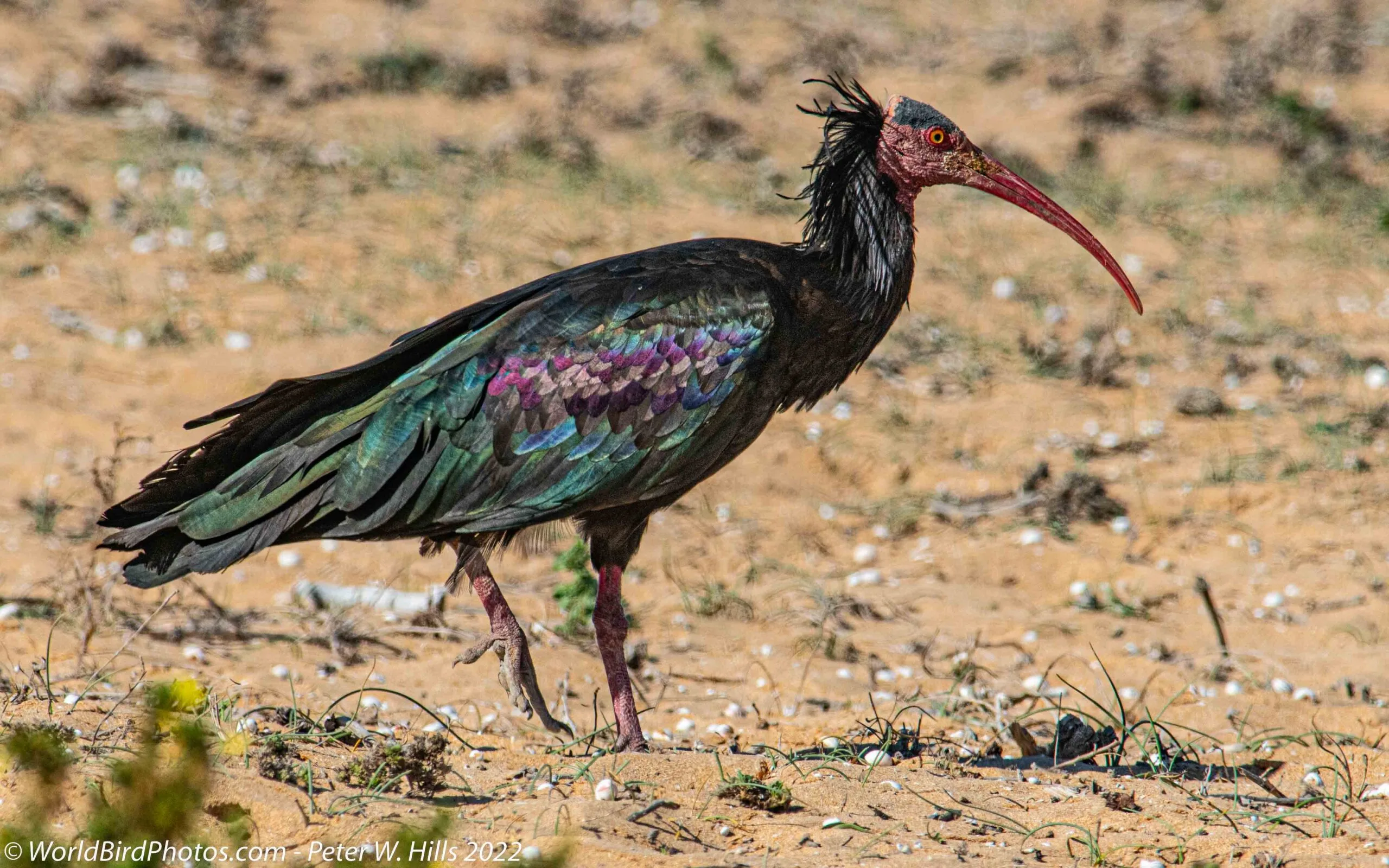
To protect wildlife, we often look at species that are already on the brink. But some stories are more complex—stories of survival, disappearance, and a fragile return. The Northern Bald Ibis is one such endangered species, once widespread across parts of Europe, North Africa, and the Middle East, now reduced to small, carefully managed populations.
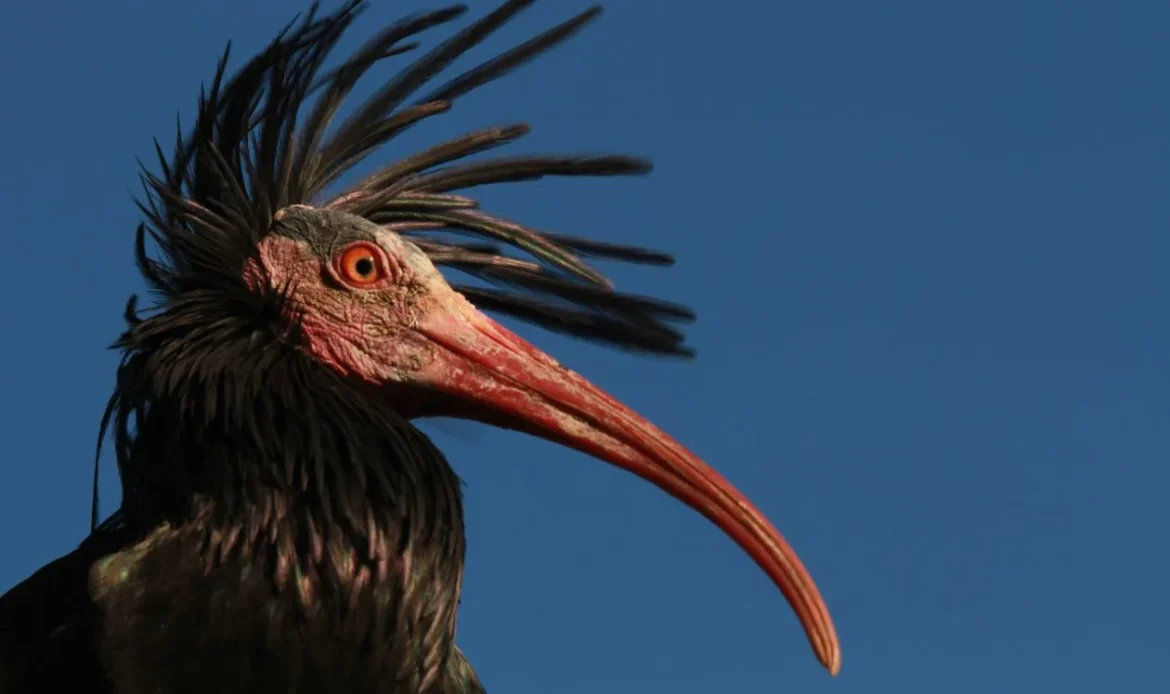
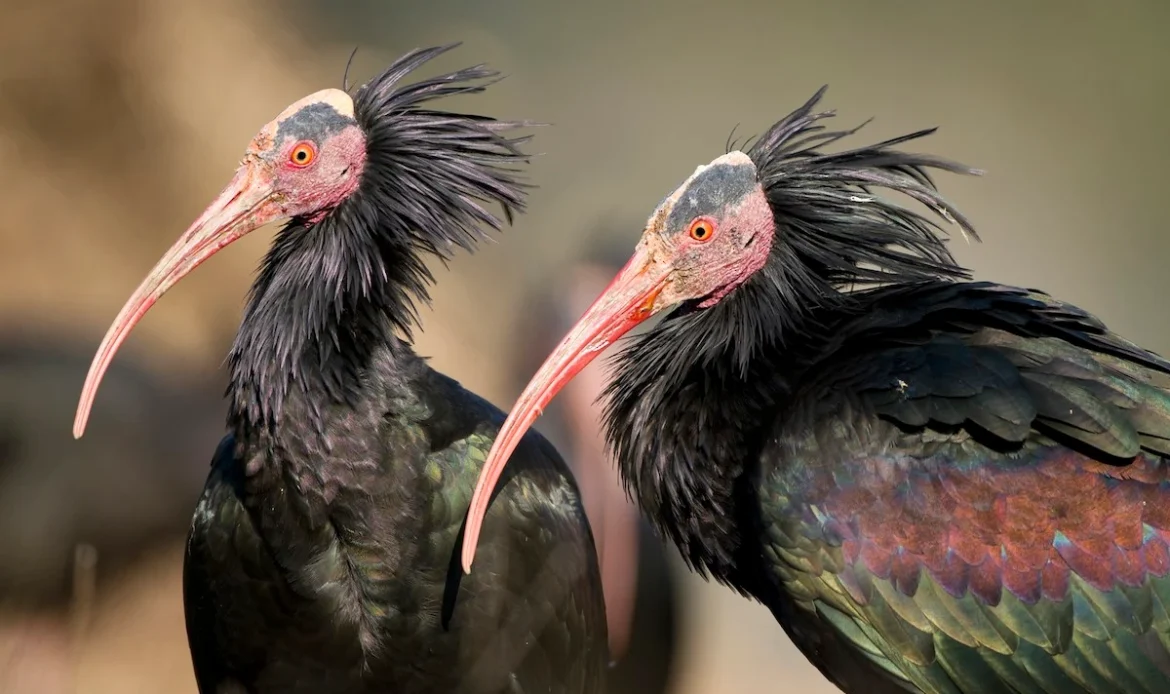
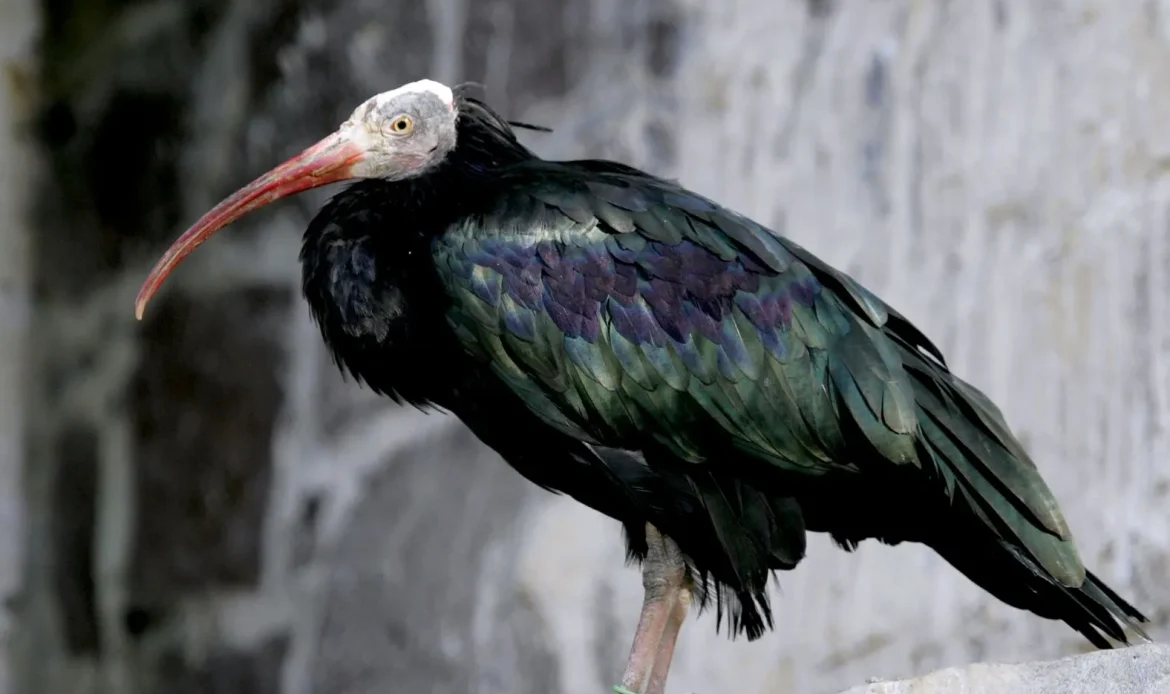
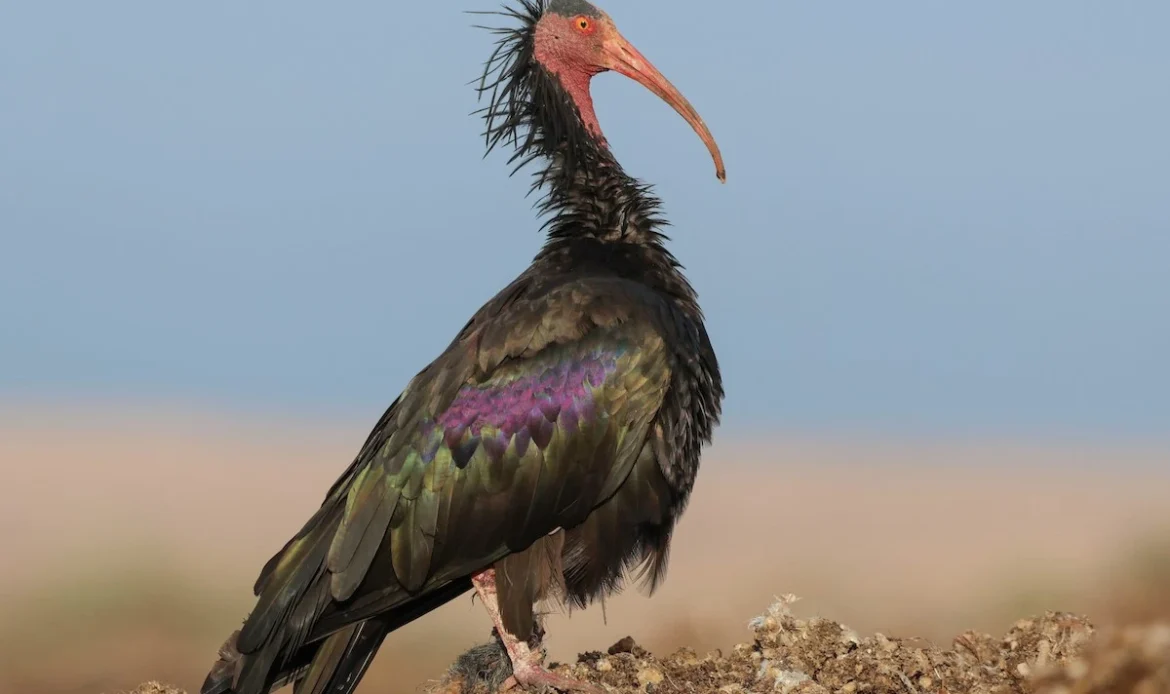
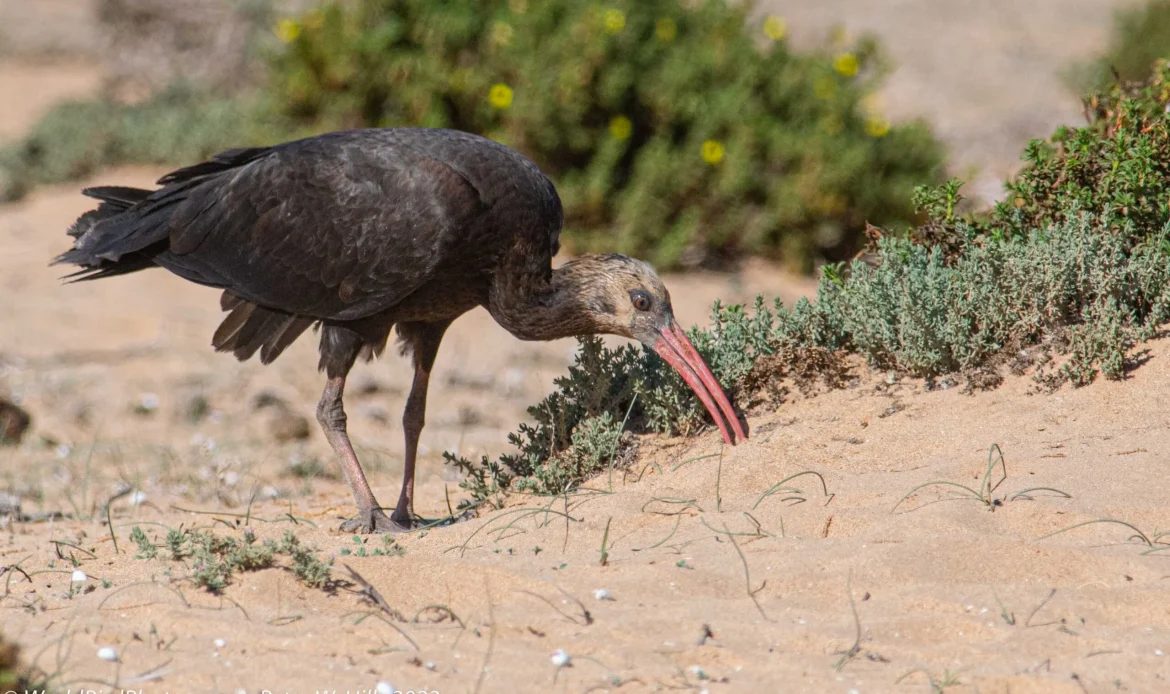
Its unusual appearance—a bald head, curved beak, and glossy black feathers—makes it instantly recognizable. Yet despite its distinct identity, the Northern Bald Ibis nearly vanished. Its story is not just about decline; it is about how close we came to losing it completely. This is where animal extinction awareness becomes more than a concept—it becomes a necessity.
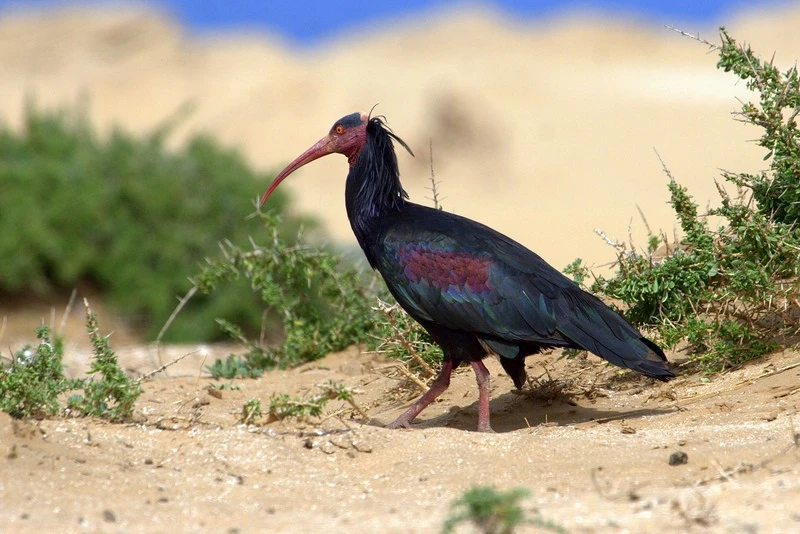
Table of Contents
Truth 1: This Species Was Once Widespread
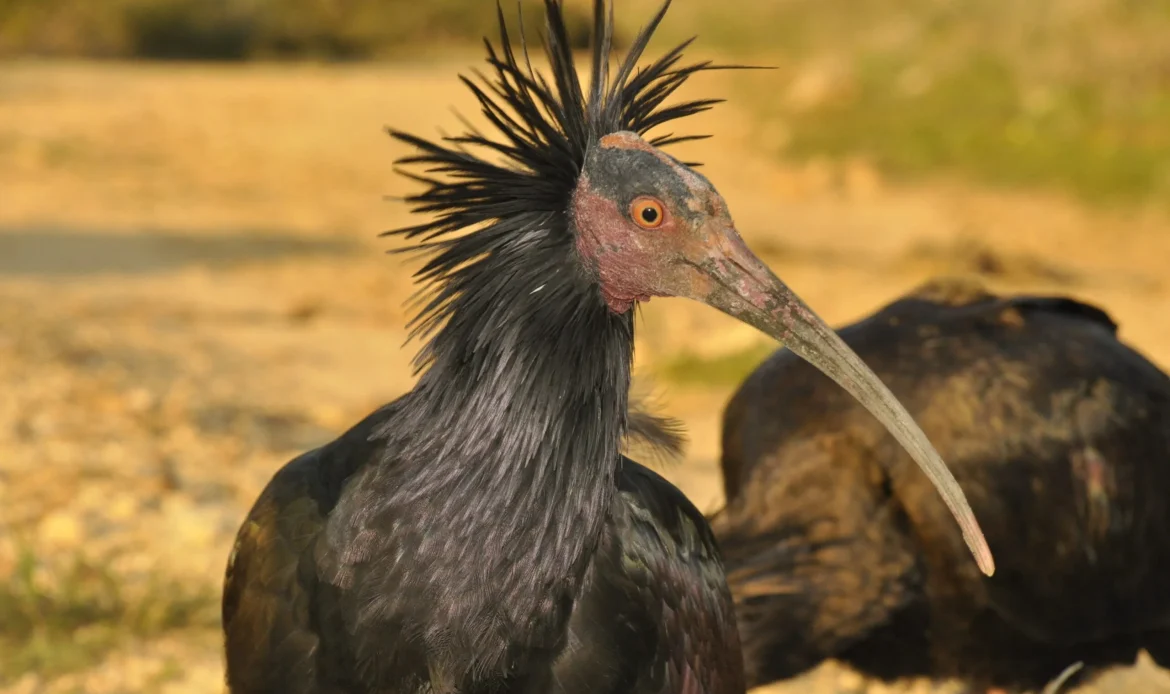
The Northern Bald Ibis used to be a common bird, spread out over large areas, feeding on open plains, and using the coastal cliffs as nesting sites. As time passed and the Northern Bald Ibis was hunted and altered from its native habitat, it suffered from a serious
Today, the Northern Bald Ibis is one of the rarest birds and is found only in small areas. We must understand how rapidly abundance or many times can become scarcity when it comes to ways to protect wildlife.
Truth 2: Human Activity Drove Its Decline
The decline of the Northern Bald Ibis was mainly driven by human activity rather than by natural causes (e.g., environmental changes). Hunting, pesticides and damage to habitat were significant drivers of extinction. As a consequence, many endangered species experience a similar cycle of population peaks and valleys. People can help save wildlife by resolving the reasons for their decline. Also, increased animal extinction awareness can help explain how human behaviour affects biodiversity.
Truth 3: Small Populations Mean Constant Risk
Animal extinction can take place through natural occurrences; however, the Northern Bald Ibis is a species that is facing extinction mainly due to man’s impact. Human interference has been the biggest cause of this species decline through hunting and habitat destruction, as well as the use of pesticides.
This is true for many other endangered species as well. Therefore, in order to protect wildlife, it is necessary to start from the source of the decline and fix it. Increasing awareness of animal extinction will also help demonstrate how human activity negatively impacts biodiversity.
Truth 4: Conservation Has Brought It Back from the Edge
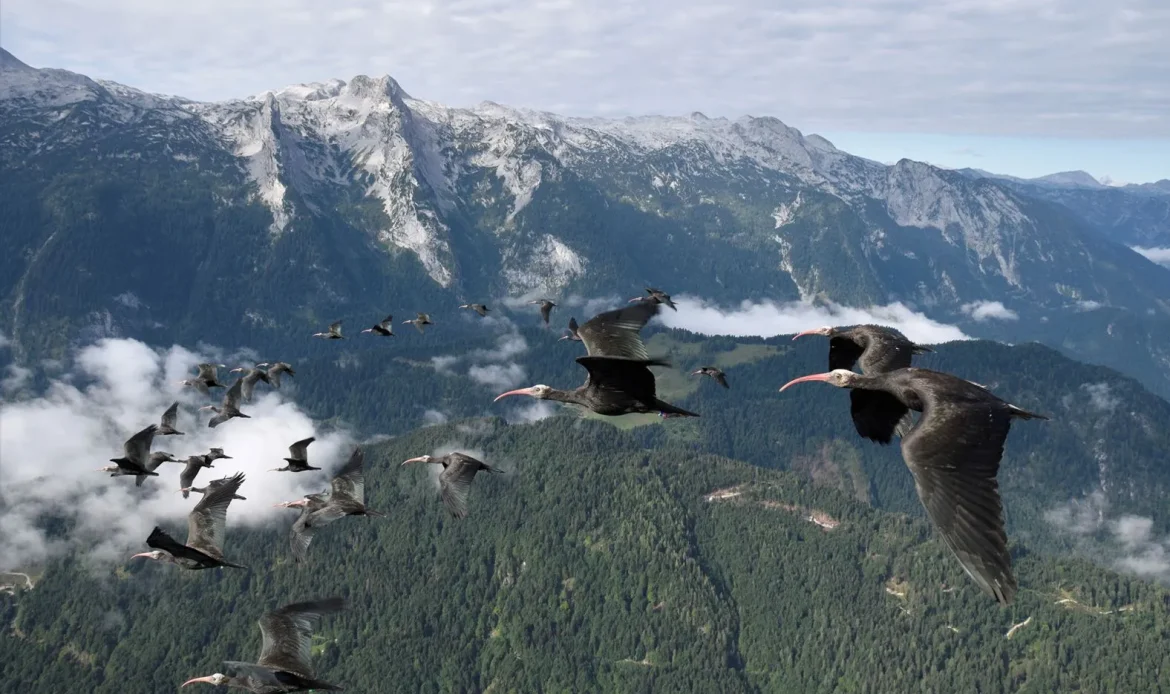
The Northern Bald Ibis, while experiencing a significant decrease in numbers, has become a champion of conservation successes in some parts of the world due to the work of reintroduction and conservation of breeding. Also, many of the current successes in wildlife conservation illustrate that wasting wildlife is not productive.
With the population continuing to grow in numbers as compared to the past few years, the recovery of the population does not help save animals. Therefore, wildlife protection needs to be sustained and continued after an initial success.
Truth 5: Migration Patterns Have Been Disrupted
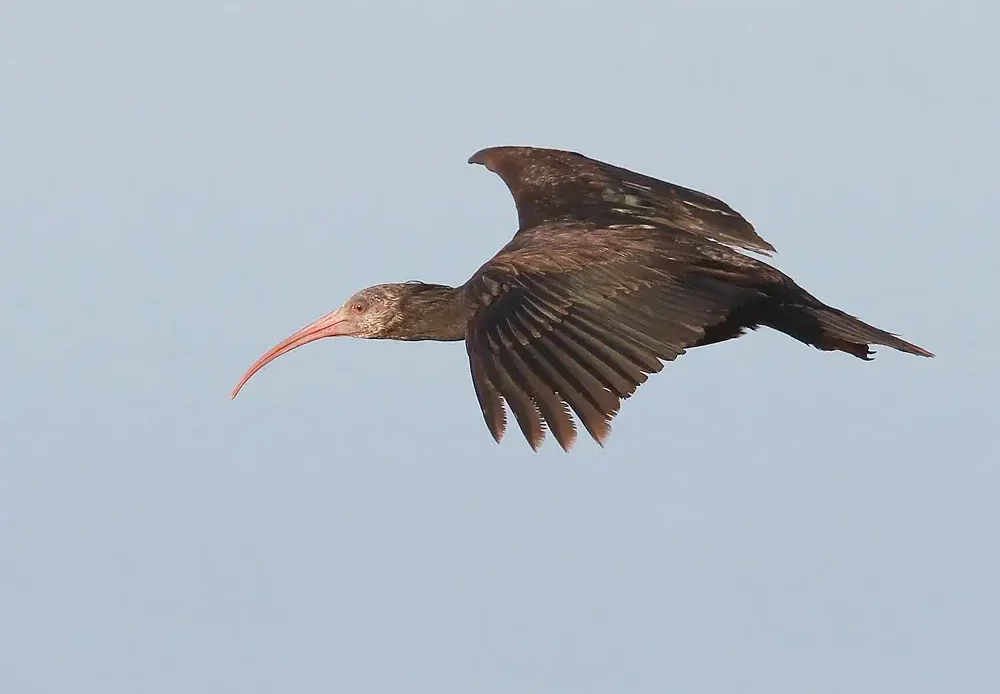
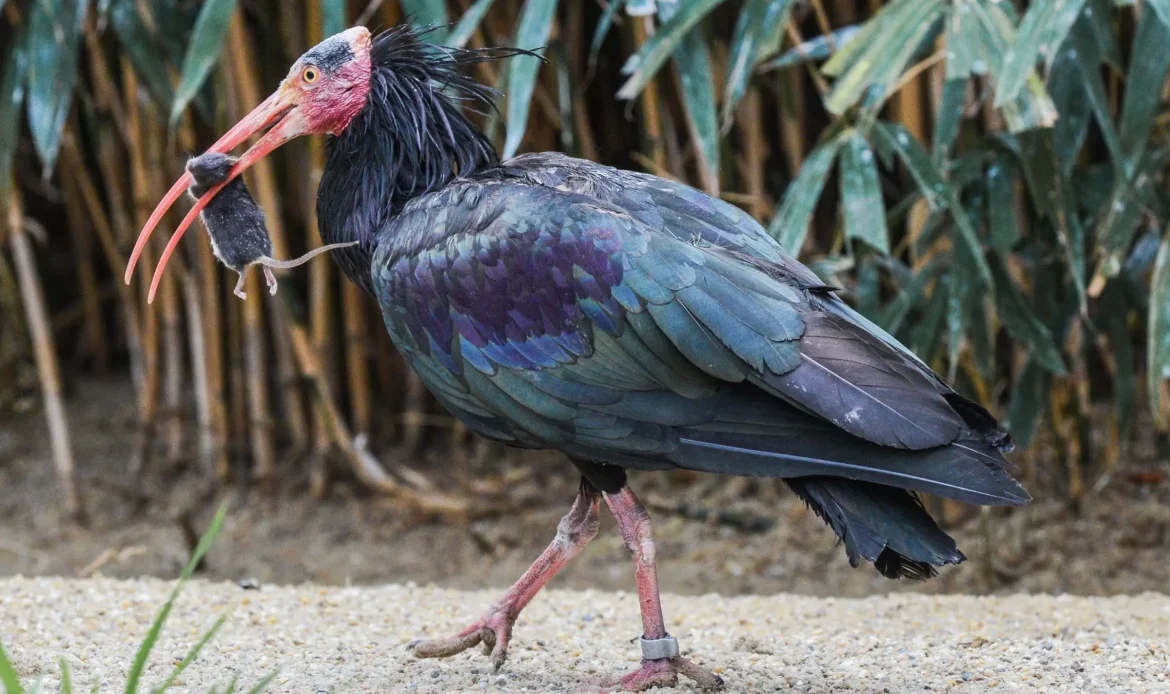
Once upon a time, the Northern Bald Ibis had natural migrations, but their mated routes were altered as a result of variable ecological conditions and decreased population density.
Migrations have further become an issue in wildlife conservation as the restoration of migration has been recognized as a challenge for endangered species, where movement is more than simply moving; rather, it is critical to exist as a species. Thus, to protect wildlife, their natural behaviours must be conserved.
Truth 6: Habitat Loss Still Threatens Survival
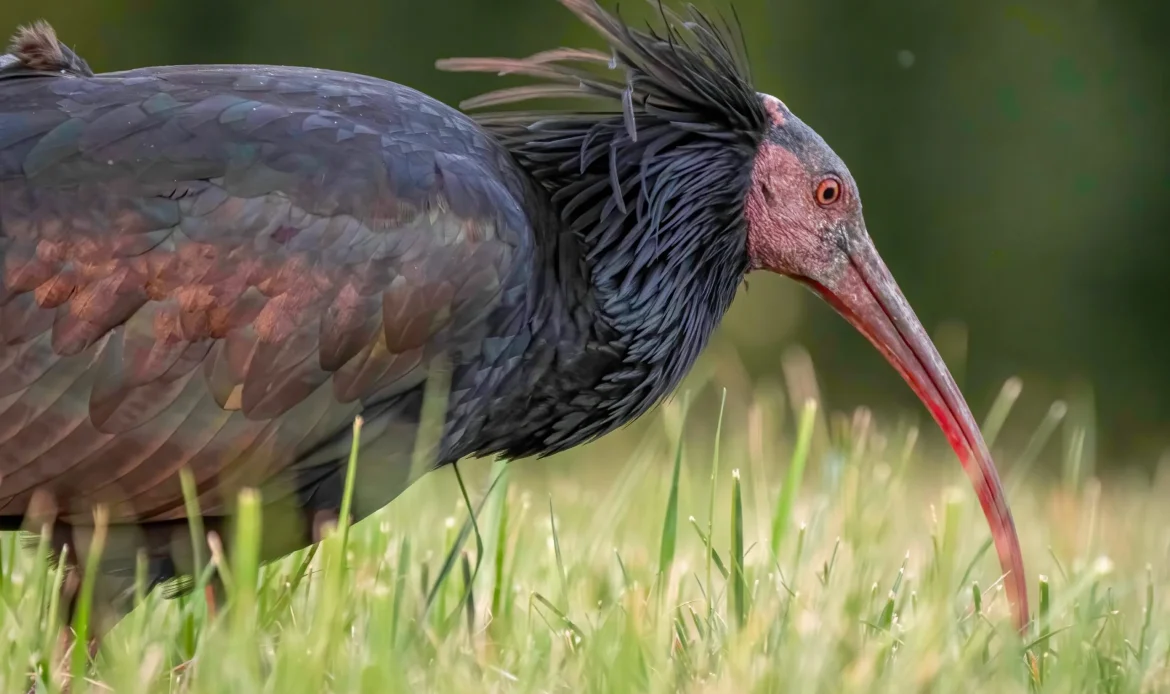
Despite conservation strategies being in place, habitat destruction is still a huge problem. Urbanisation, agricultural practices, and development with infrastructure are having ongoing impacts on suitable environments.
The preservation of habitats is essential to protect wildlife; without safe, suitable, and stable environments, successful conservation initiatives cannot be maintained, even if the species are successful.
Truth 7: Awareness Has Helped, But More Is Needed
The Northern Bald Ibis is well known for its outstanding features and the challenge of conservation it faces. There must be more than just awareness of these animals so that an elimination of additional species does not take place.
A heightened animal extinction awareness must produce some results. Therefore, creating a better understanding among people will help save wildlife in support of converting awareness into how we manage our environment and conserve what we have.
Truth 8: Climate Change Adds New Pressure
The impacts of climate change are causing changes to the ecosystem, and food supply and reproduction will be affected. This will create an additional challenge for the Northern Bald Ibis population.
Endangered species that have to adapt to such rapid changes to their environment have problems adapting to these changes. Therefore, wildlife conservation must develop strategies to deal with climate change.
Truth 9: Survival Is Still Uncertain
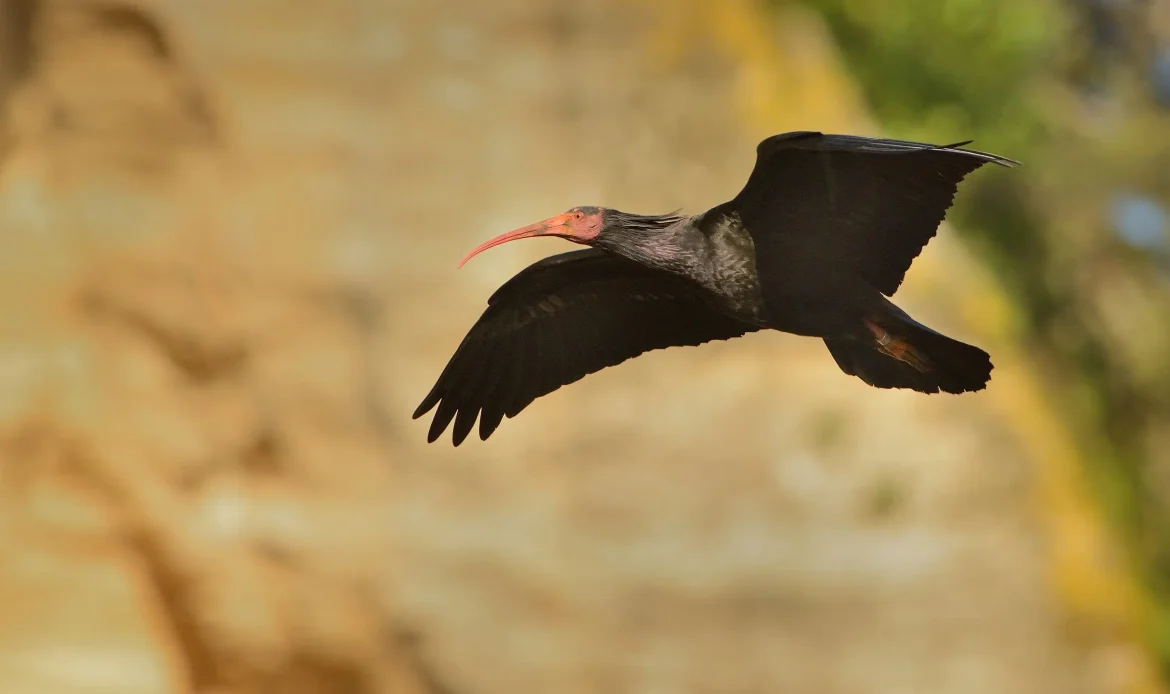
The Northern Bald Ibis is not assured of future survival, now that there have already been several improvements to surrounding areas to help with its recovery. Conservation efforts and global partnerships are necessary for its continued survival in the wild.
This is true for many endangered species. Species that have been recovered must also have consistent conservation actions taken to prevent them from falling back into an endangered status after they have been recovered.
Why the Northern Bald Ibis Still Matters?
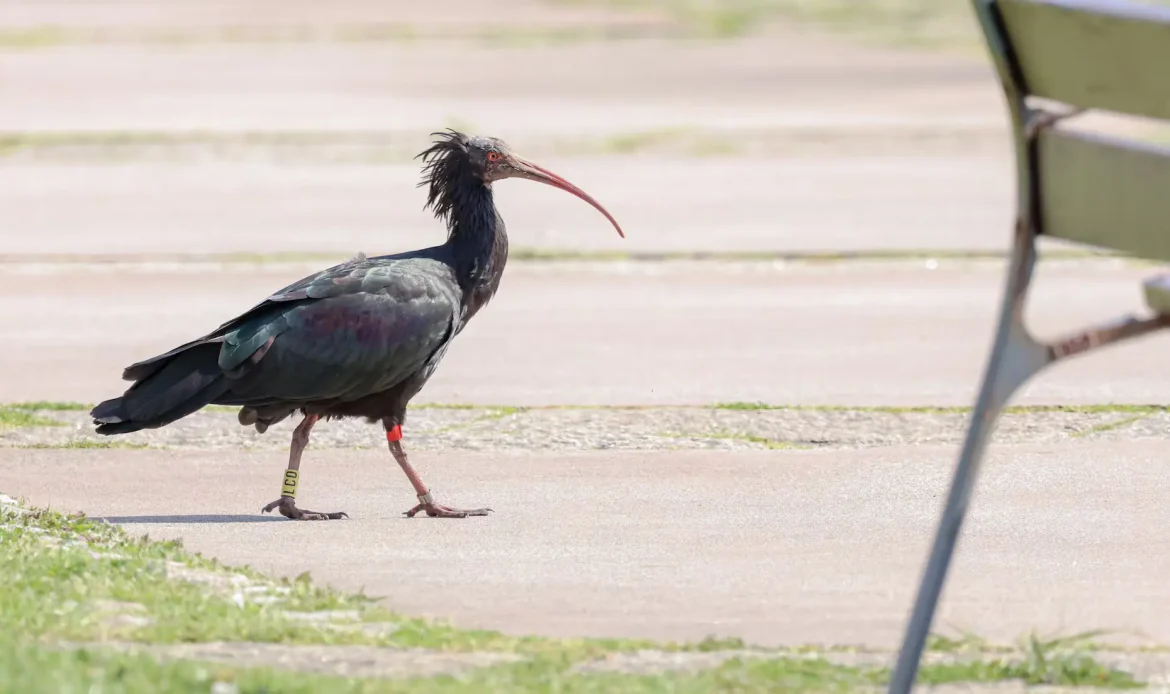
The Northern Bald Ibis represents both loss and hope. It shows how human actions can push a species toward extinction—and how those same actions can help bring it back.
To protect wildlife, we must learn from such stories. Strong wildlife conservation and deeper animal extinction awareness can ensure that recovery efforts are not temporary. Every step taken to help save wildlife contributes to a more balanced and sustainable ecosystem.
Last Words of Encouragement
To protect wildlife, we must recognize that survival is never guaranteed. The Northern Bald Ibis reminds us that even an endangered species with a second chance still depends on our actions.
Through stronger wildlife conservation, increased animal extinction awareness, and continued efforts to help save wildlife, we can ensure that stories like this do not end in silence. The fight for survival is ongoing—and it is one we cannot afford to lose.
Frequently Asked Questions (FAQ)
Why is the Northern Bald Ibis an endangered species?
Although the Northern Bald Ibis has experienced a substantial population decline due to habitat loss, hunting, and other environmental pressures, it remains classified as an endangered species.
What makes wildlife conservation important for this species?
Efforts for wildlife conservation contribute to restoring populations, protecting habitats, and providing for future sustainability.
How can we help save wildlife like the Northern Bald Ibis?
We can contribute to help save wildlife through support of wildlife preservation projects, awareness efforts, and promoting sustainable practices.
Why should we protect wildlife in general?
The ways to protect wildlife are fundamental to preserving biodiversity and maintaining an appropriate amount of balance within the ecosystem.
What role does animal extinction awareness play?
Raising animal extinction awareness provides an opportunity for people to learn about the conservation issues and encourages them to take action to protect the planet’s threatened species.